DYSON & farming
How amazing!
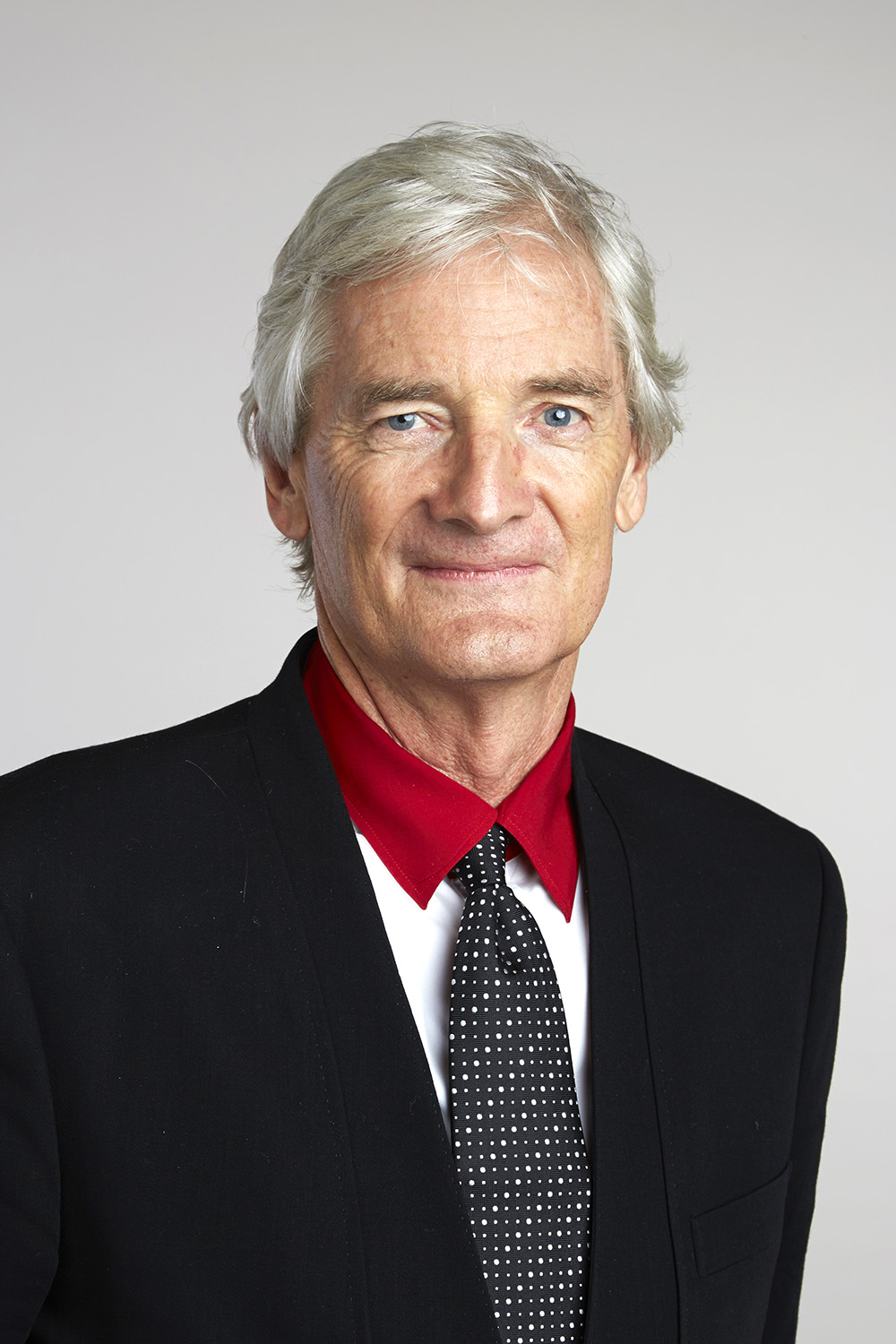
James Dyson brings technical innovation to farming, helping reduce the UK’s emissions through a high-tech strawberry greenhouse designed to lower environmental impact. Sir James Dyson, born on 2nd May 1947, is an English inventor, industrial designer, business magnate, and of course, the founder of Dyson. He is best known as the inventor of the bagless vacuum cleaner, which uses cyclonic separation. In the Sunday Times Rich List 2023, he was named the fifth-richest person in the United Kingdom. This time, however, he has turned to a very different world: farming.
Britain imports 90% of its winter strawberries, and each batch travels an average of 2,351 air miles, creating a considerable amount of emissions. Dyson is tackling this problem by building a sustainable circular farming system in the UK.
“It might seem odd for an industrialist who makes vacuum cleaners, hairdryers and robotics to be interested in farming, but I see it as an extension of that. This is all about machinery, mechanics and science improving things. It’s regenerative, and it’s the right way to farm,” says Sir James Dyson.
“I think it’s really important that Britain grows its own food. Sustainable food production, food security and the environment are vital to the nation’s health and economy. There is a real opportunity for agriculture to drive a revolution in technology, and vice versa. Efficient, high-technology agriculture holds many of the keys to our future. Dyson Farming strives to be at the forefront of this.”
He believes his engineering background helped him identify problems in the UK’s strawberry supply chain.
“What excites me is taking things that don’t work and making them better,” he added.
How does it work?
The greenhouse is powered by renewable electricity and surplus heat from Dyson’s nearby anaerobic digester. A climate control system keeps the temperature at an optimal level so the strawberries can grow all year round. The anaerobic digesters produce gas, which drives turbines generating enough electricity to power 10,000 homes. The heat produced is captured and used to warm the greenhouse during the colder months, helping the strawberries grow.
Rainwater is stored in a lagoon and used to water the plants.
The greenhouse also uses advanced robotic picking and packing systems to deliver fresh fruit to customers more quickly. The vertical growing system has increased yields by 250% compared with traditional methods. Growing quality strawberries at this scale, in a sustainable way, out of season, not only requires technological innovation but also the expertise and experience of people who care about producing quality strawberries.
What does this mean for the future?
“Dyson Farming is developing new approaches to efficient, high-technology agriculture, which we hope will lead to a commercially sustainable future,” says Sir James Dyson.
This could make the UK more self-sufficient and reduce the air miles that build up during the winter months. According to the World Economic Forum, conventional agriculture accounts for 80% of worldwide deforestation. Vertical farming does not require the same amount of land clearance and can also be set up in urban areas, offering the potential to reduce logistics emissions as well as land use.